
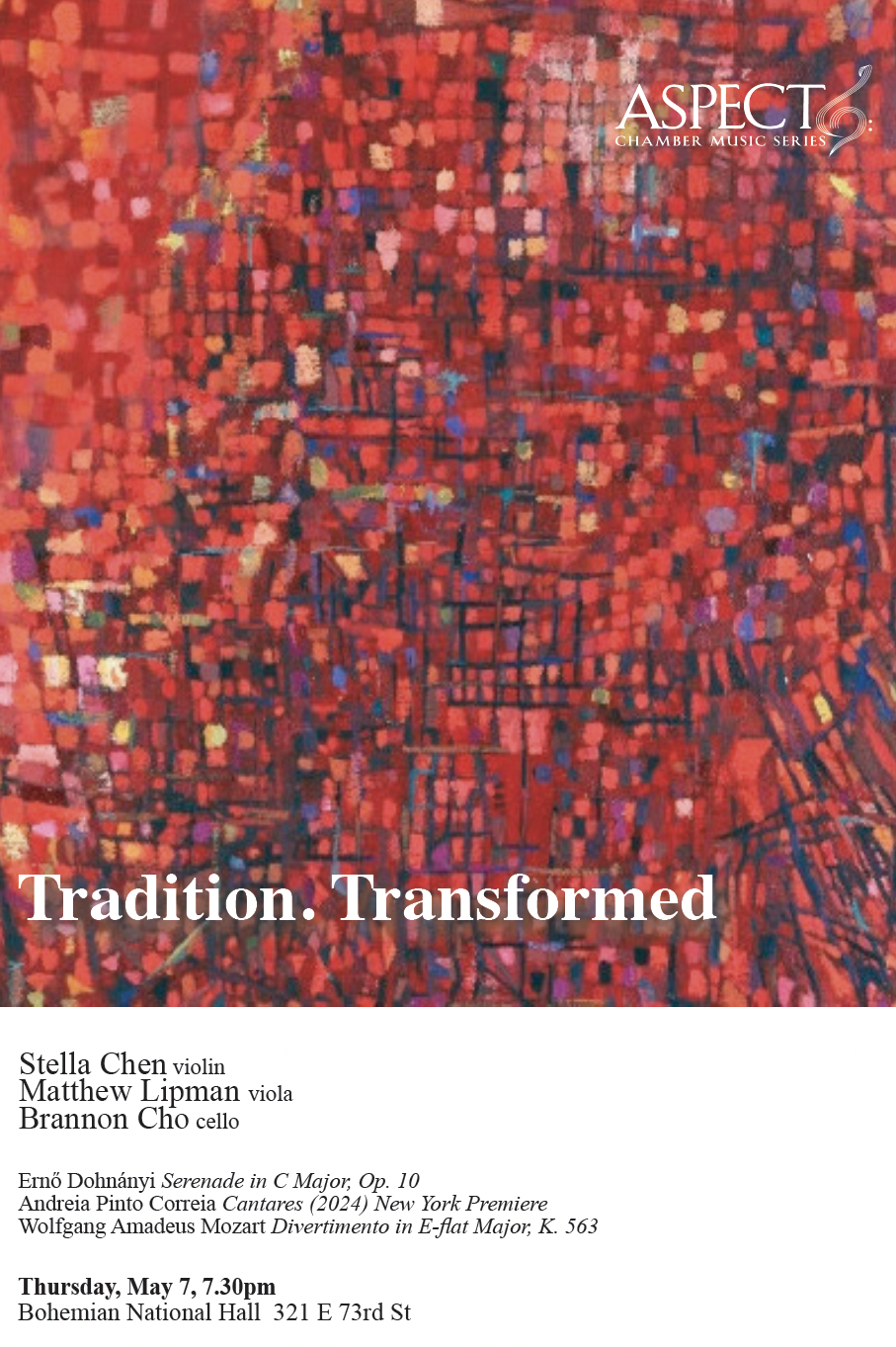
Tradition. Transformed
May 7, 2026 | Bohemian National Hall
Stella Chen violin
Matthew Lipman viola
Brannon Cho cello
Ernő Dohnányi Serenade in C Major, Op. 10
Andreia Pinto Correia Cantares (2024) New York Premiere
Mozart Divertimento in E-flat Major, K. 563
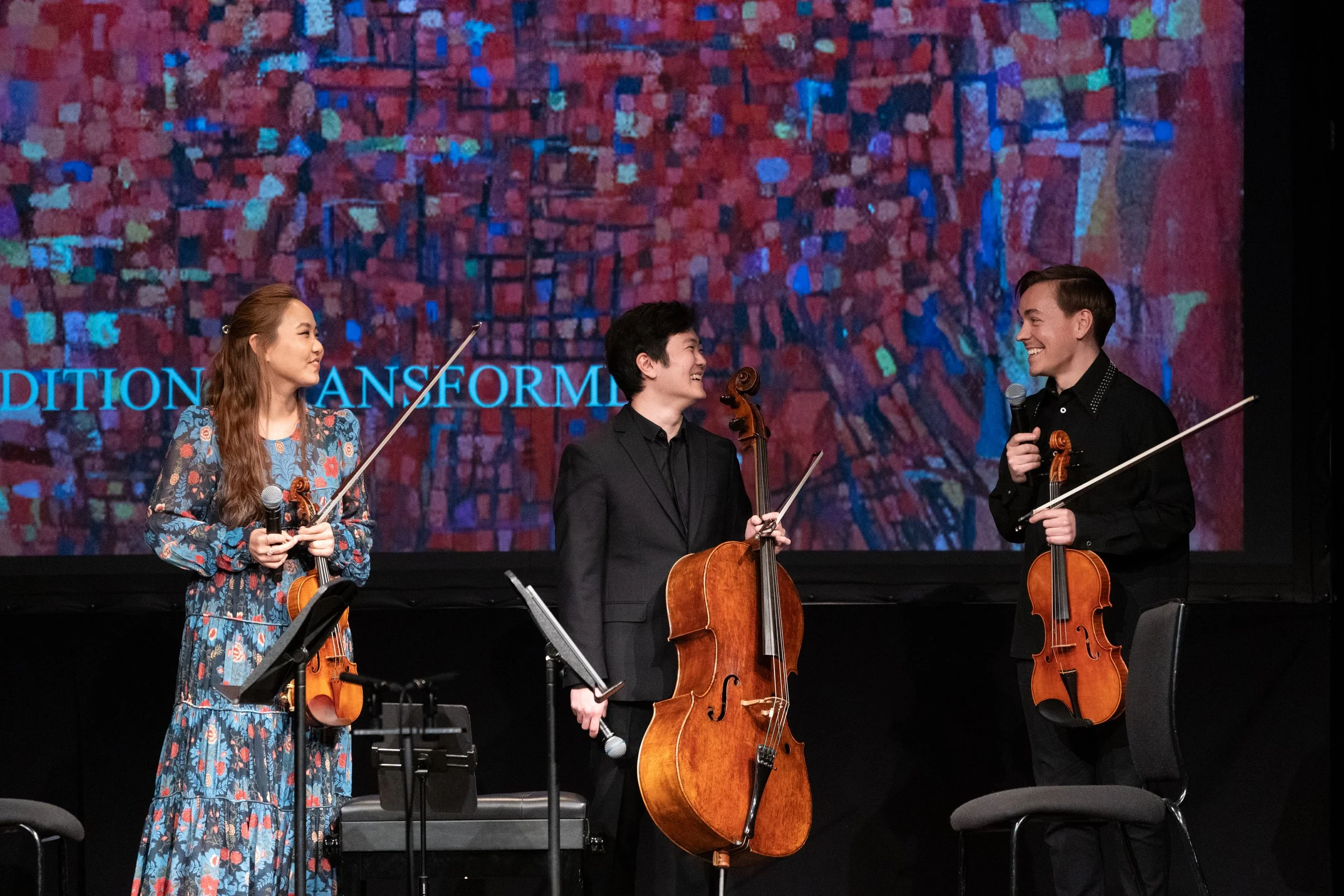
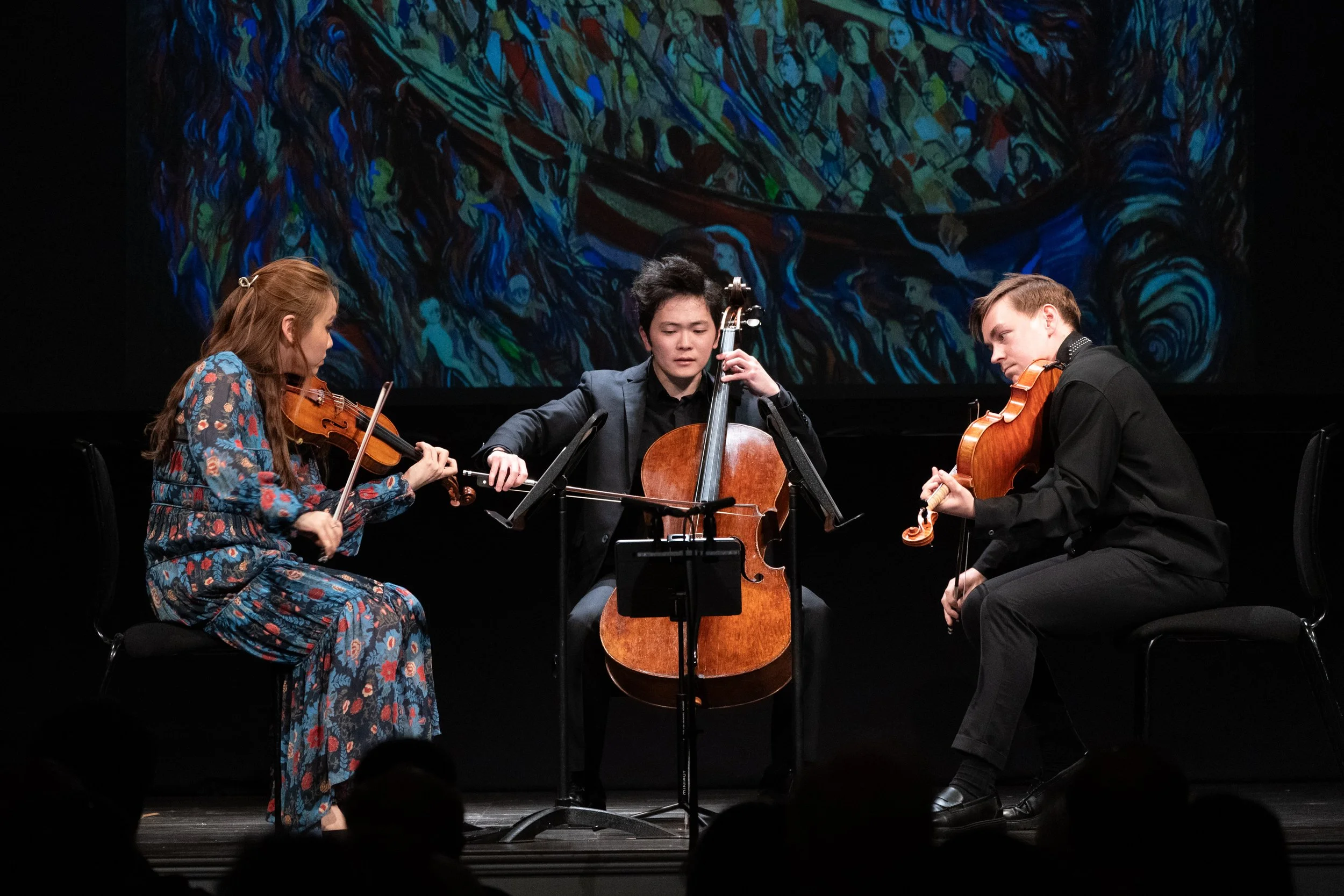
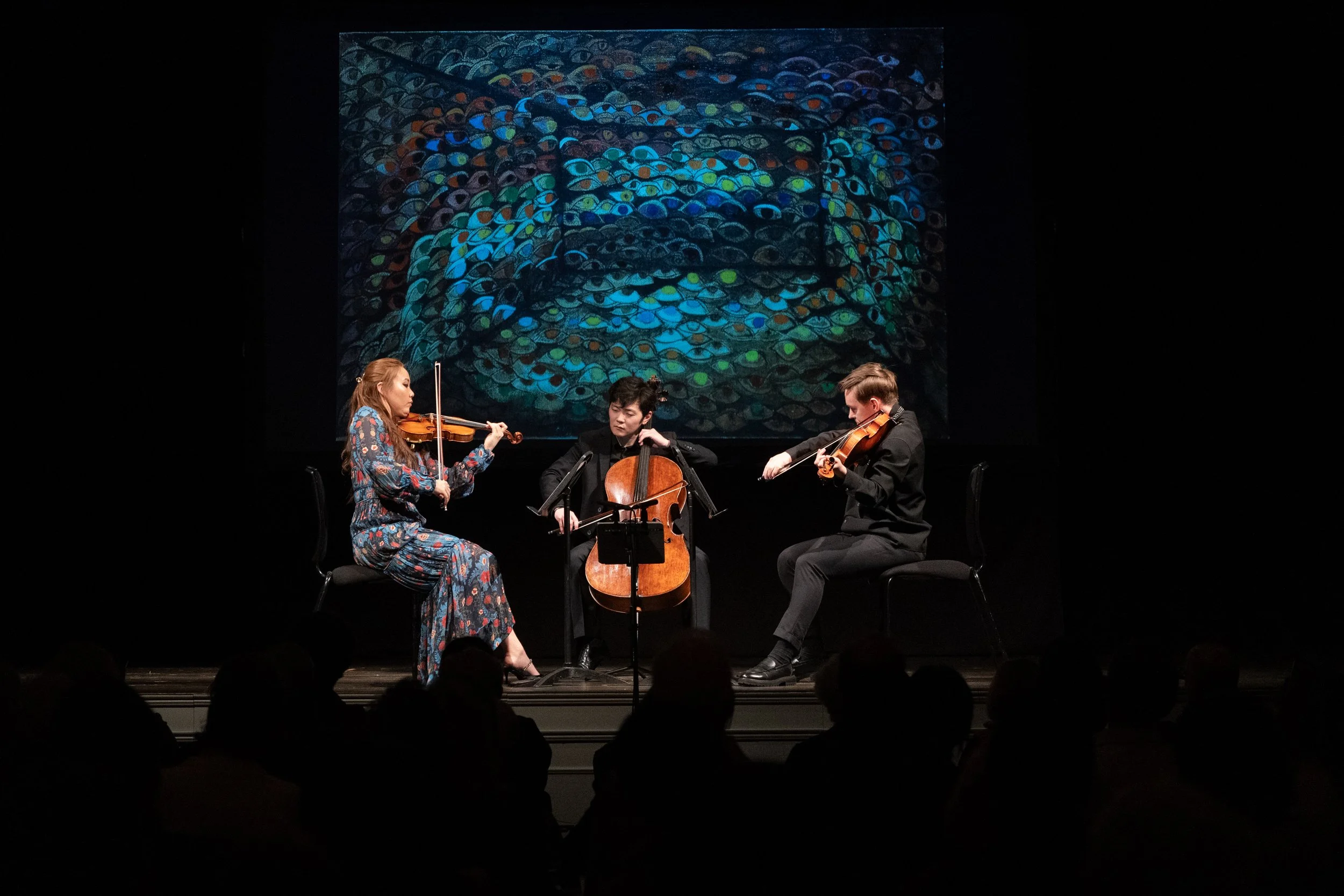
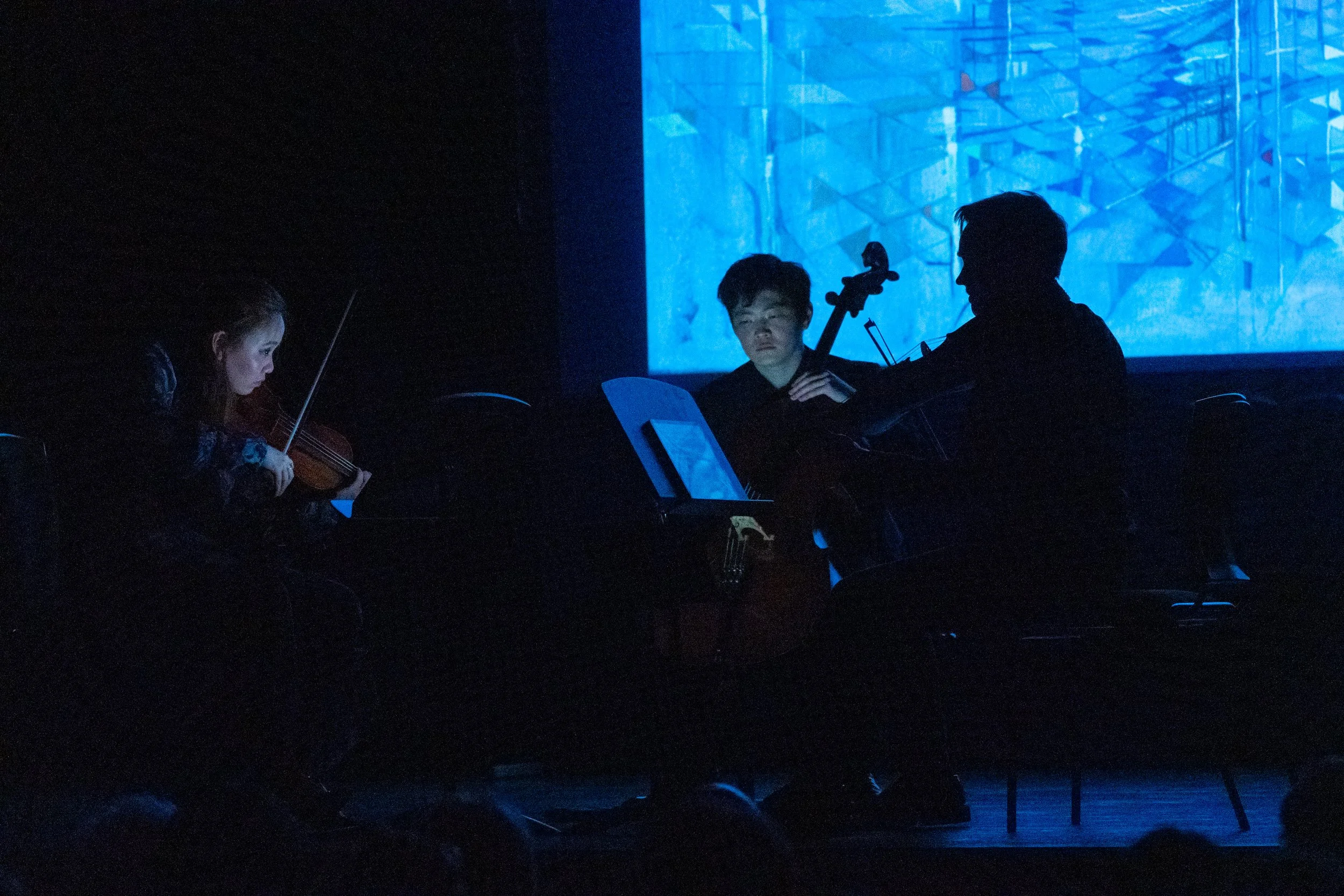
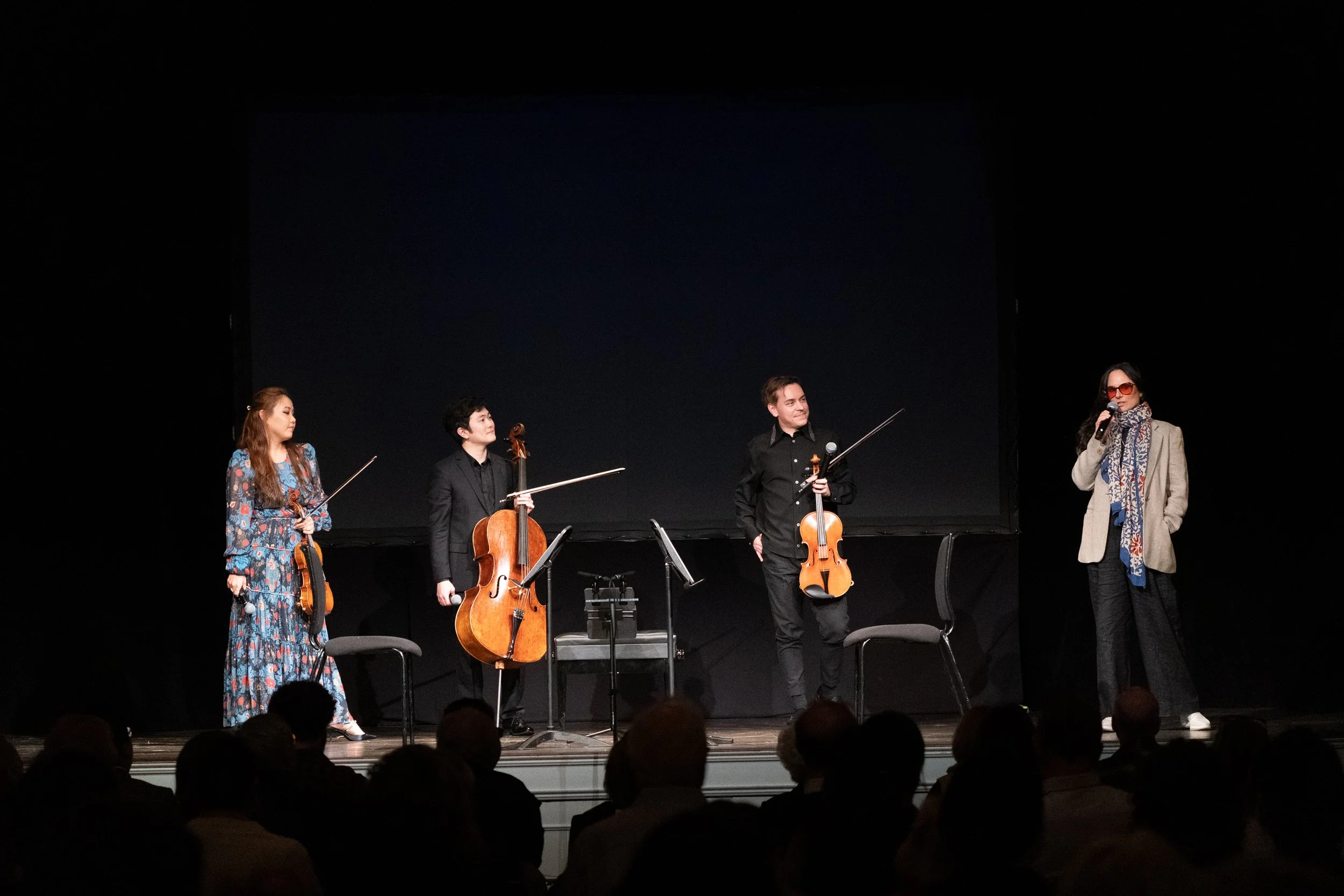
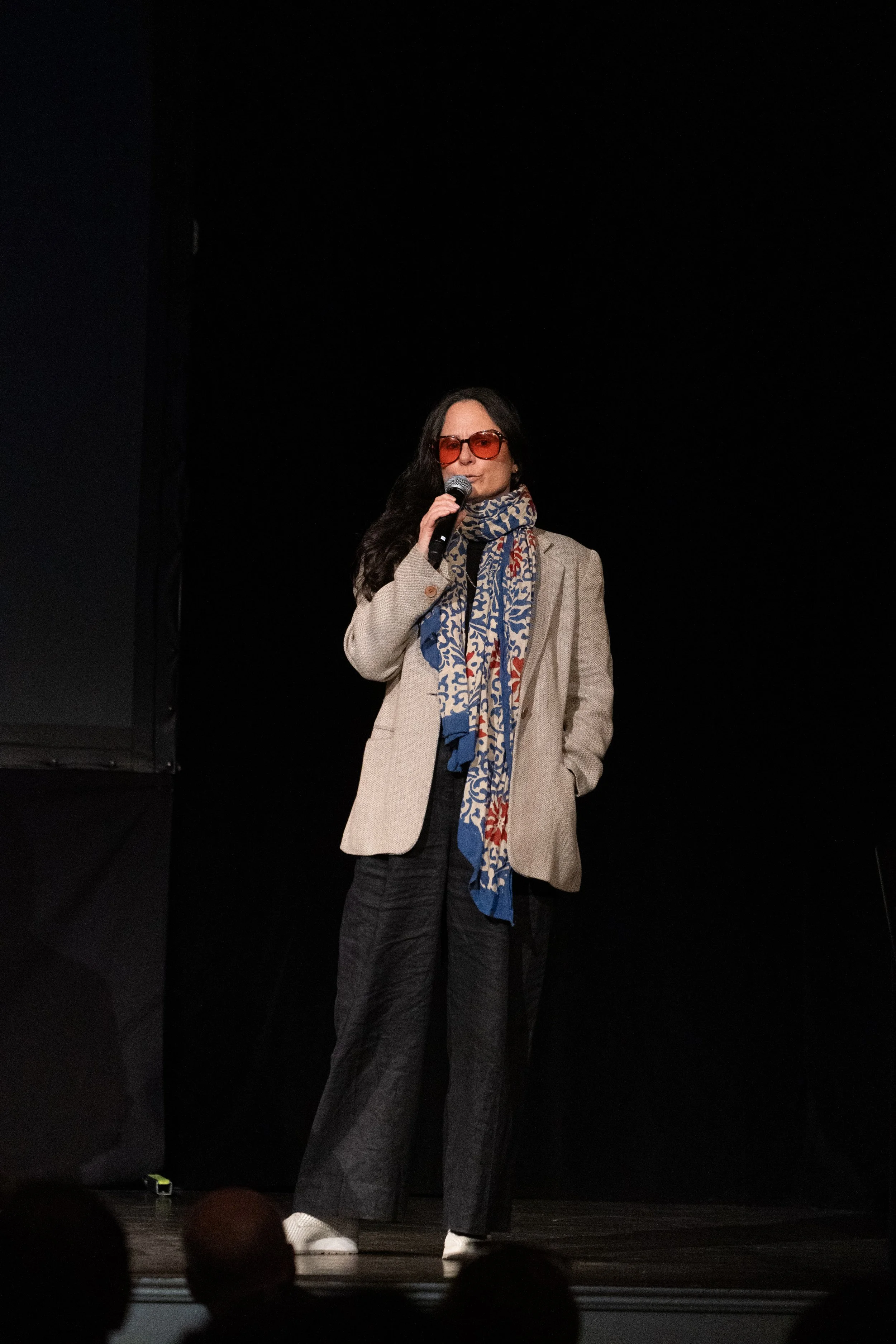
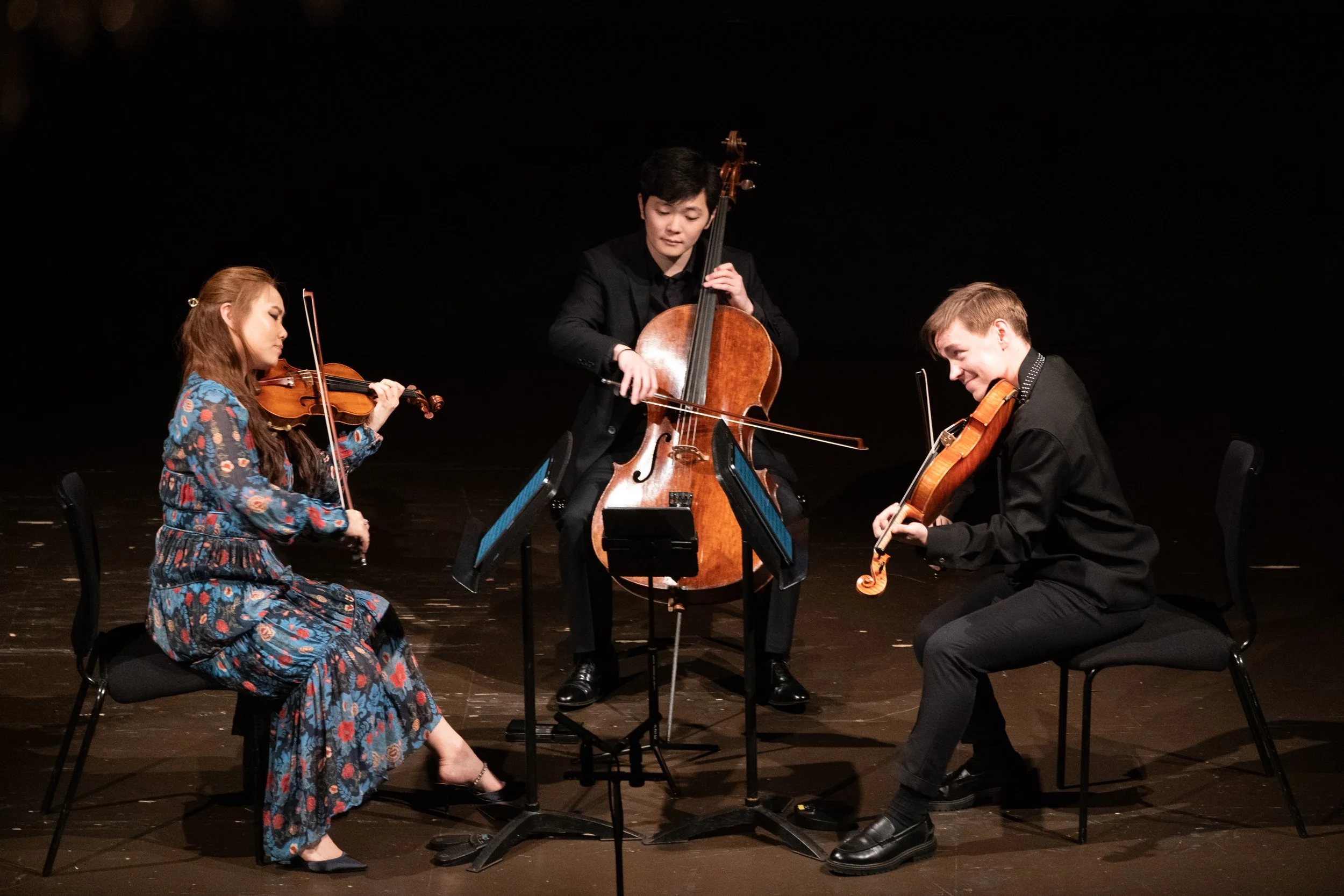
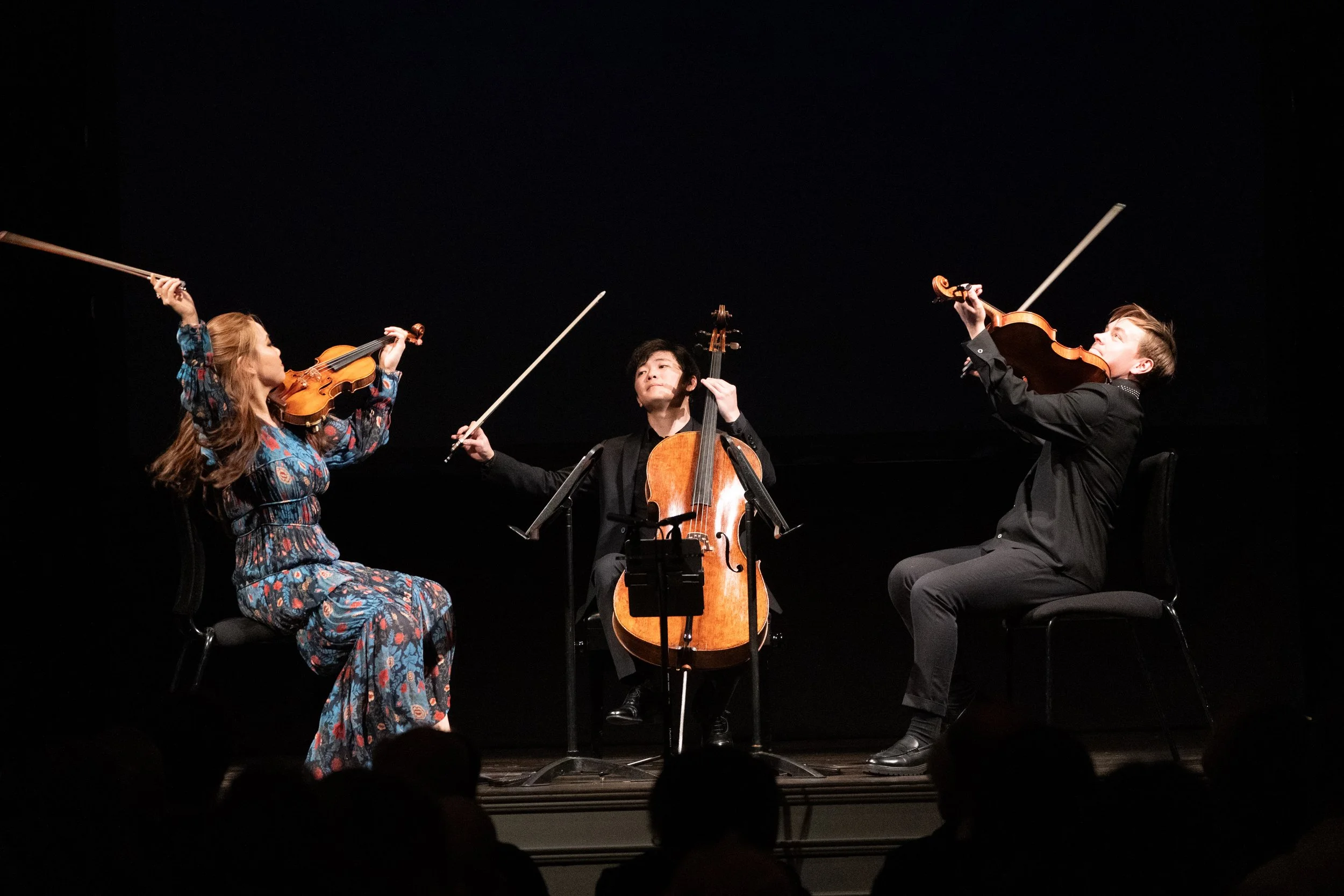
To survive, tradition must balance preservation and evolution. As Oscar Wilde wittily put it, tradition is a successful innovation.
Mozart’s Divertimento is considered one of his noblest and most expressive works. However, in the late eighteenth century, divertimenti (divertimento means “diversion”) belonged firmly to the world of light entertainment and typically followed a more-or-less set form: six movements, including two minuets—rather like the old Baroque suite, in fact. In that respect, Mozart’s Trio, K.563, does conform to type. At the same time, it is Viennese Classicism at its height: balanced and poised, it possesses ambition, imagination, and expressive depth.
With Dohnányi’s Serenade, that classical inheritance is still plainly present, but it is no longer Mozart’s world alone. The work stands in the lineage of Mozart’s and Beethoven’s string-trio writing, while also drawing on the richer contrapuntal thinking of Brahms. Its five-movement design—march, romance, scherzo, variations, and finale—clearly recalls the older serenade tradition; yet Dohnányi reshapes that inheritance through more restless harmony, denser textures, and a chromatic language unmistakably of the early twentieth century.
And then, in Andreia Pinto Correia’s Cantares, tradition undergoes another transformation. The work draws on the idea of Portuguese folk chant not as quotation, but as recollection, dream, and reimagining. Written for our wonderful artists Stella Chen, Matthew Lipman, and Brannon Cho, it is, in Pinto Correia’s words, “a collection of imaginary cantares”: echoes of an older world cast in a luminous modern light.